April 28, 2026
Wood, Composite, or PVC? Your Guide to Choosing the Perfect Decking Material
Wood, Composite, or PVC? Your Guide to Choosing the Perfect Decking Material
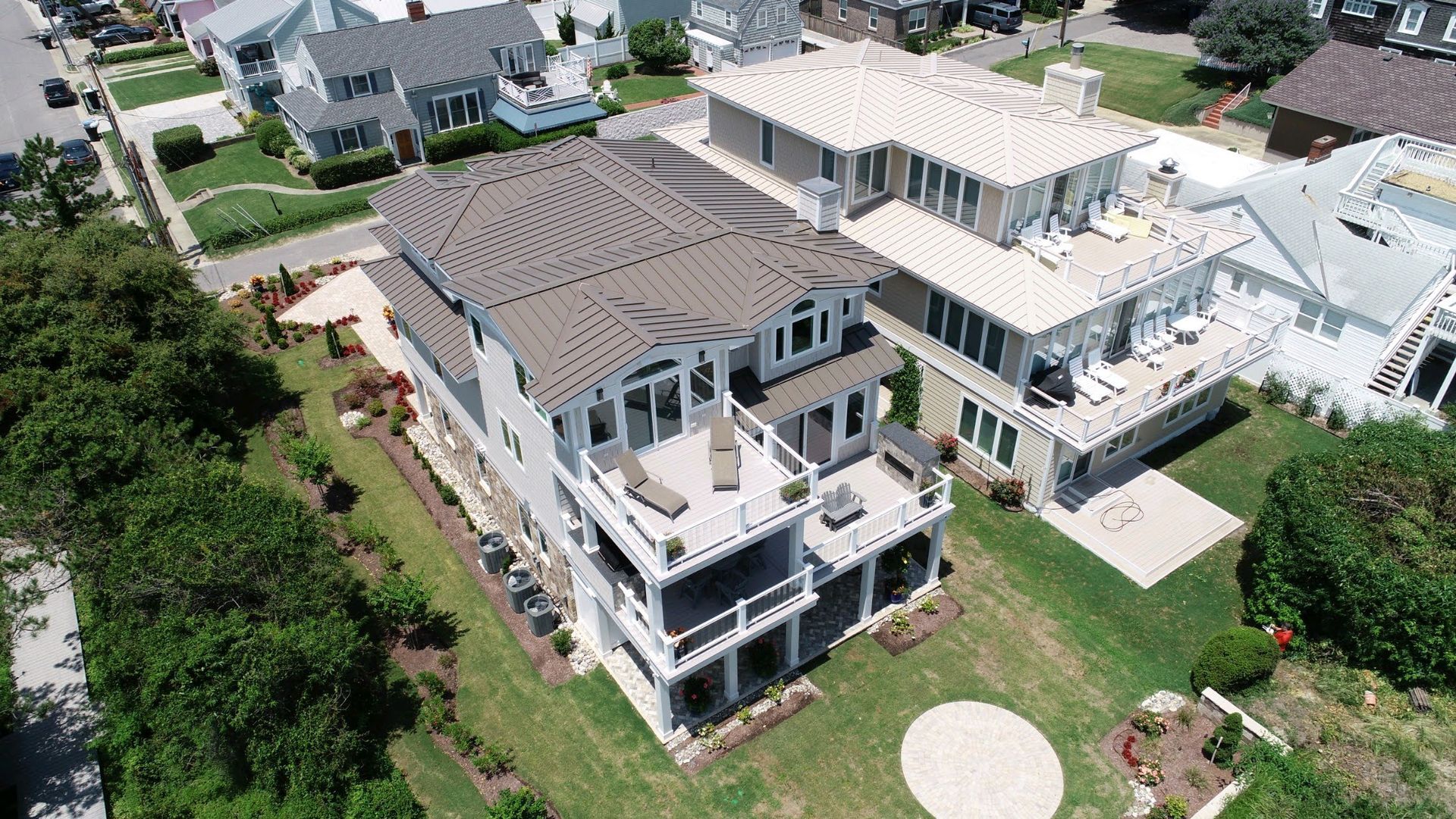
Building a new deck is one of the most exciting ways to expand your outdoor living space and add lasting value to your home. But before you can start planning your summer barbecues, you have to make a crucial decision: what material should you use?
A decade ago, the choices were fairly limited. Today, the decking market is flooded with options ranging from traditional lumber to high-tech synthetics. To help you navigate the lumber aisle, we have broken down the differences, pros, and cons of the most popular decking materials on the market.
1. Pressure-Treated Wood
Pressure-treated (PT) wood, usually made from Southern yellow pine, is chemically treated to resist rot, moisture, and insects. It remains the most common decking material in the United States, largely due to its accessibility and price point.
- Pros: It is the most affordable decking material available. It is strong, easy to cut, and provides a classic, natural wood look that you can stain or paint to your liking.
- Cons: PT wood is high maintenance. It requires routine power washing, sanding, and a fresh coat of stain or sealer every one to two years. Over time, it is prone to shrinking, warping, and splintering.
2. Natural Woods: Cedar and Redwood
For purists who love the look of natural wood but want an upgrade from pine, Western Red Cedar and Redwood are the go-to choices. These woods contain natural tannins and oils that make them highly resistant to rot, decay, and hungry insects.
- Pros: These woods offer unparalleled natural beauty with rich, warm tones and beautiful grain patterns. They are also lighter and easier to work with than pressure-treated lumber.
- Cons: They carry a higher price tag than PT wood. While naturally resistant to the elements, they still require an annual application of a clear sealer or stain to prevent them from weathering to a silvery-gray. They are also relatively soft woods, meaning they can dent or scratch under heavy patio furniture or dog claws.
3. Tropical Hardwoods (Ipe, Cumaru, Tigerwood)
If you are looking for luxury and longevity in a natural product, tropical hardwoods are top-tier. Ipe (pronounced ee-pay), for instance, is famously dubbed "ironwood" because of its incredible density.
- Pros: They are extraordinarily durable, heavy, and resistant to almost everything—including rot, bugs, and fire. With proper care, a hardwood deck can easily last 40 to 50 years.
- Cons: These are premium materials with a premium price tag. Their density makes them notoriously difficult to install (boards must be pre-drilled), which increases labor costs. To maintain their rich colors, they require regular oiling.
4. Composite Decking (Trex, TimberTech)
Composite decking is a hybrid material made from a blend of wood fibers (often recycled sawdust) and recycled plastics. It is designed to mimic the look of natural wood without the associated maintenance headaches.
- Pros: Composites are incredibly low maintenance—you will never need to sand, stain, or paint your deck. They will not splinter, warp, or succumb to termites. They also come in a massive variety of colors and realistic wood-grain textures.
- Cons: The upfront cost is significantly higher than pressure-treated wood (though the lack of maintenance costs often balances this out over time). Older or darker composites can also get uncomfortably hot under bare feet in direct, summer sunlight.
5. PVC / Synthetic Decking (Azek)
While often grouped with composites, PVC (polyvinyl chloride) decking is an entirely synthetic material. It contains absolutely no organic wood fibers, making it the ultimate shield against moisture.
- Pros: Because it lacks wood pulp, PVC is entirely impervious to rot, mold, and mildew. It is highly resistant to scratching, staining, and fading. It is also lighter than composite boards and stays cooler to the touch in the sun.
- Cons: PVC is generally the most expensive decking option on the market. Depending on the brand, it can look slightly more "plastic-like" than high-end composites, and it can expand or contract significantly with extreme temperature swings.
How to Make Your Selection
Choosing the right material ultimately comes down to balancing three major factors: your upfront budget, your desired aesthetic, and your tolerance for maintenance.
If keeping initial costs down is your top priority and you don't mind spending a weekend each year maintaining it, pressure-treated wood is a solid choice. However, if you want to spend your summers enjoying your deck rather than working on it—and you have the budget to invest upfront—composite or PVC decking will provide an incredible, long-lasting return on your investment.