Master Bedroom Renovation Before & After: Budget‑Friendly Ideas to Upgrade (2026 Edition)
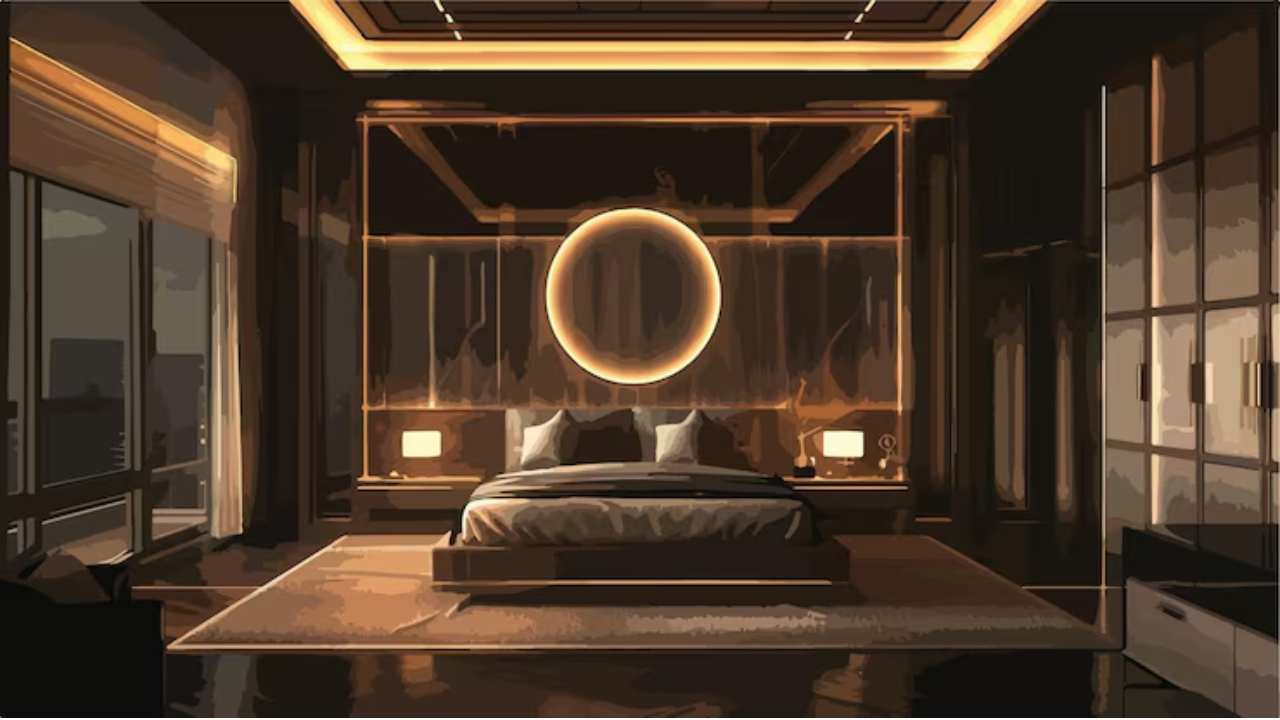
- Inspection First: Coastal moisture destroys $20K renovations—check before design
- FEMA 50% Rule: Bedroom projects over 50% home value trigger elevation mandates
- Pricing Tiers:$3.5K–7K cosmetic, $14K–30K mid-range (best ROI), $75K–120K+ suites
- Pantone 2026: Cloud Dancer white + Mocha Mousse brown for serene coastal retreats
- Invest Smart: Flooring/lighting/storage (70% budget) beats Instagram decor trends
After a tiring day, your master bedroom should feel like the calmest spot and your safe space in the house, but for many Virginia Beach and Sandbridge homeowners, it’s the opposite.
Dim lighting, dated finishes, awkward layouts, and even coastal moisture issues can make the space feel heavy instead of restful. But here's the good news, you don’t need to break the bank or month of construction to fix it.
With smart planning, local know‑how, and a few strategic upgrades, you can turn that tired room into a true coastal retreat. In this guide, we’ll walk through real before‑and‑afters, 2026 trends, and clear cost ranges so you know exactly what to expect.
Before & After: What Actually Changes (And Why It Matters)
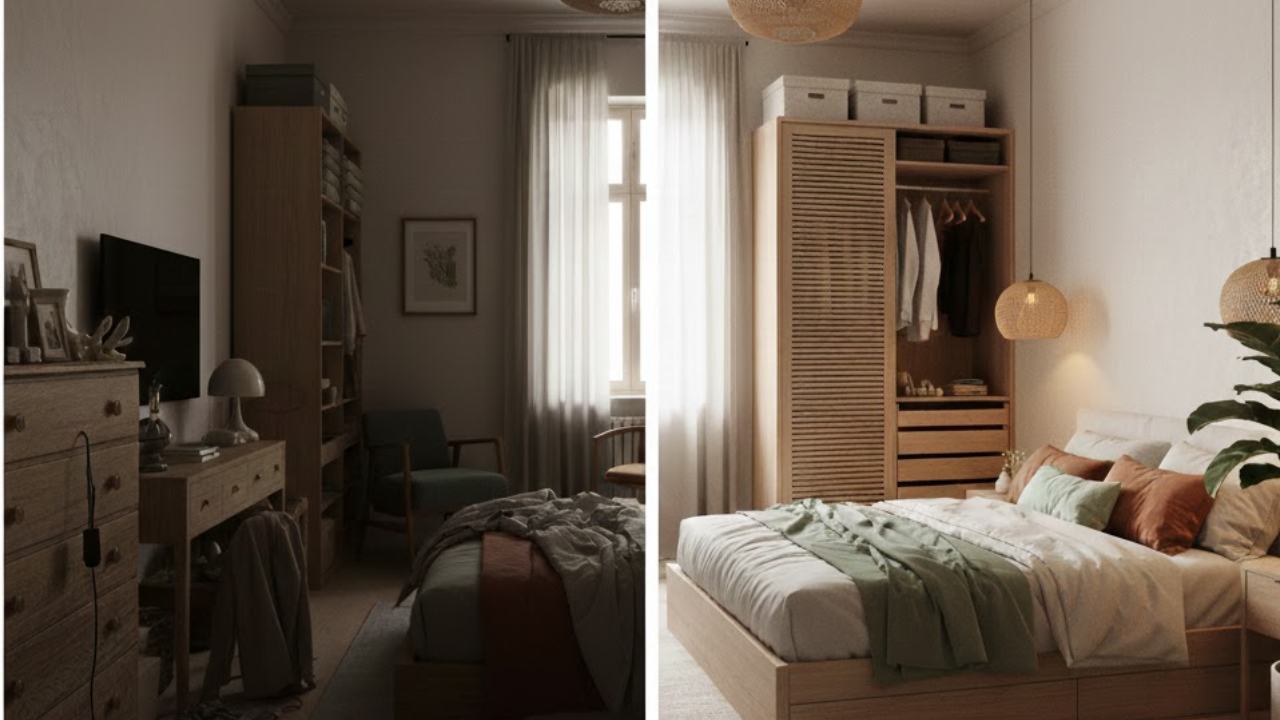
Now, when you think of bedroom renovation, you should know that this transformation addresses five core issues that prevent spaces from feeling restful. Here's what improves:
1. Lighting: From Harsh to Calming
Before: Single harsh overhead light; no dimming; poor task lighting for reading.
After: Layered lighting with dimmers, warm sconces, and flexible control for morning energy or evening wind-down.
Why it matters: Lighting affects sleep quality and circadian rhythm. Proper warm lighting (2700K–3000K) supports melatonin production and better rest.
2. Layout & Flow: Clarity and Comfort
Before: Furniture blocking windows; confusing traffic paths; no focal point.
After: Clear circulation with intentional bed placement; unobstructed natural light; purposeful arrangement.
Why it matters: Good layout feels more spacious, improves acoustics (less hard surfaces), and reduces daily stress from awkward navigation.
3. Storage: Hidden Organization
Before: Overflowing dressers; cluttered surfaces; visual chaos.
After: Built-in closets, under-bed drawers, integrated nightstands; clear surfaces; visual calm.
Why it matters: Clutter is a known stressor. Hidden storage reduces mental fatigue and improves sleep quality.
4. Finishes: Modern, Durable Materials
Before: Dated carpet, popcorn ceilings, potential moisture damage or water stains.
After: Fresh paint, new flooring, crisp trim, updated finishes; moisture issues remediated first.
Why it matters: In coastal Virginia, moisture damage is the #1 hidden problem. Addressing it first protects your investment and prevents expensive surprises.
5. Comfort & Cohesion: Curated, Intentional Space
Before: Mismatched furniture; clashing colors; bedroom feels like storage.
After: Intentional pieces, warm neutral palette, soft textures (bouclé, linen, wool); retreat-like feeling.
Why it matters: Cohesive design signals intentionality and calm—supporting the "cocooning" trend of 2026.
The Hidden Issue: Coastal Inspection Before Design
Here's the most important thing most contractors skip: inspection before design. Virginia Beach and Sandbridge bedrooms face specific threats: moisture from humidity, salt-air corrosion, aging windows, and potential roof leaks. A $20,000 renovation can fail if hidden moisture damage goes unaddressed.
What We Check First:
- Moisture levels in framing and subfloors (safe range: 12–16%; caution above 16–20%)
- Mould or musty smells (early warning signs)
- Drywall cracks or buckling floors (structural or moisture issues)
- Condensation on windows (ventilation problem)
- Salt-air corrosion on metal fixtures and fastenersNew Title
The FEMA Rule (Critical for Sandbridge & Special Flood Hazard Areas)
If your bedroom project costs exceed 50% of your home’s market value, federal regulations may require mandatory home elevation, which will cost extra.
“Formula: Total Project Cost ÷ Current Market Value ≥ 0.50 = Triggers compliance”
Example: A $160,000 bedroom + bathroom addition on a $320,000 Sandbridge home hits the threshold. We help you calculate this upfront and plan the scope strategically to avoid surprises.
Master Bedroom RenovationWhat Does It Cost? 2026 Virginia Beach Prices
Here's what realistic pricing looks like in our market:
Tier 1: Cosmetic Refresh — $3,500–$7,000
Paint, basic lighting with dimmers, hardware updates, simple LVP flooring.
Timeline: 1–2 weeks | ROI: Modest resale impact
Tier 2: Mid-Range (The "Sweet Spot") — $14,000–$30,000
New flooring (LVP or hardwood), board-and-batten or wainscoting, upgraded lighting, semi-custom storage, minor electrical.
Timeline: 3–5 weeks | ROI: 60–70% recovery at resale | Why choose this: Best balance of budget, comfort, and long-term value
Tier 3: Full Owner's Suite — $75,000–$120,000+
Bedroom + en-suite bathroom, structural changes, vaulted ceilings, high-end finishes.
Timeline: 6–10+ weeks (includes 2–4 week Virginia Beach permit process) | ROI: 60% at resale
What Drives the Price Most?
- Flooring type: LVP ($1–$3/sq ft) vs hardwood ($5–$15/sq ft)
- Electrical complexity: New circuits and dimmers cost more than simple fixture swaps
- Custom storage: Semi-custom beats off-the-shelf for durability
- Coastal durability: Salt-resistant materials and proper ventilation cost 10–15% more—but last 20 years, not 5
Note: These are the average prices and the cost depends on different factors. So for getting clear renovation cost you can reach us today for consultation.
2026 Master Bedroom Trends That Actually Work in Real Coastal Homes
Colour & Finish Trends for 2025–2026
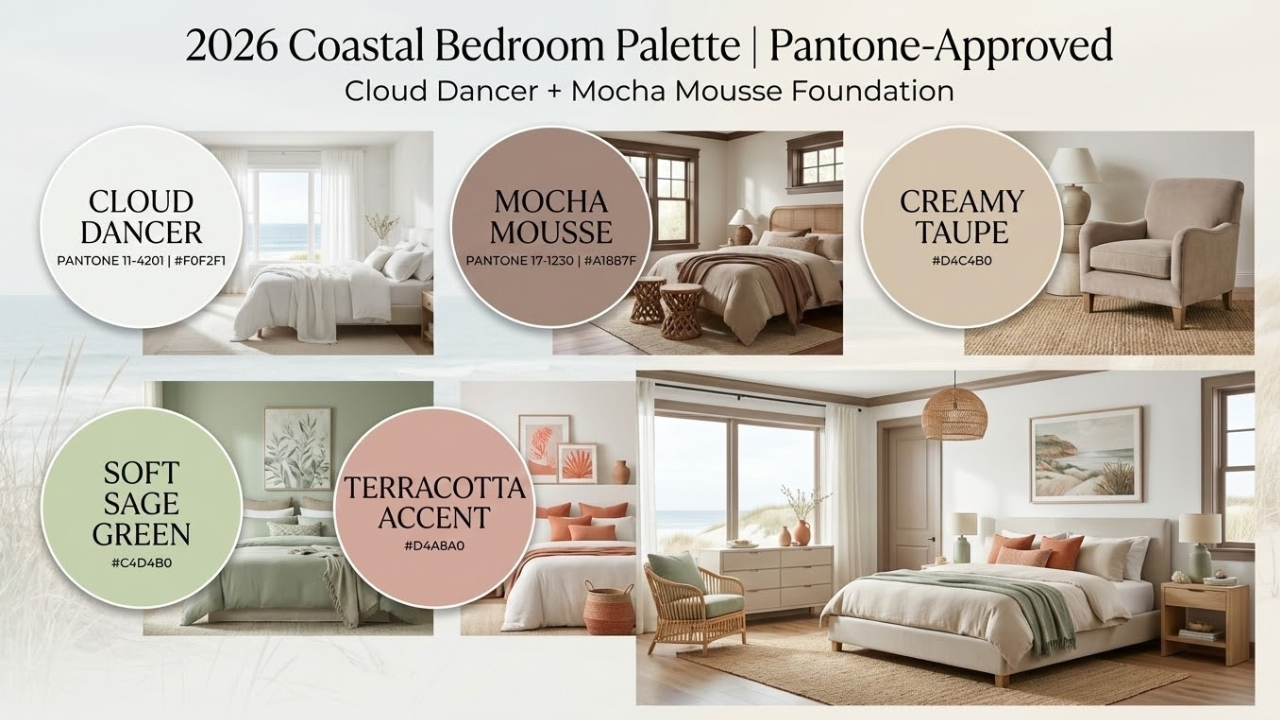
Pantone 2026 Color of the Year: Cloud Dancer— a soft, billowy white that brings calm and light to coastal bedrooms.
Pair with Mocha Mousse — a warm brown from 2025 that adds grounding and warmth.
Together, these neutrals create a serene, coastal foundation: Cloud Dancer for walls, Mocha Mousse for trim or textiles.
Other trending palettes:
- Elevated neutrals: Creamy taupes, sand beiges, soft greens, terracotta accents.
- Earthy textures: Limewash walls, suede finishes, matte metallics, chalk paint.
- Soft tones: Sage green, powder blue, dusty lavender, blush pink.
- Deep grounding combos: Navy + beige, olive green + mustard yellow.
Finishes That Last in Coastal Climate
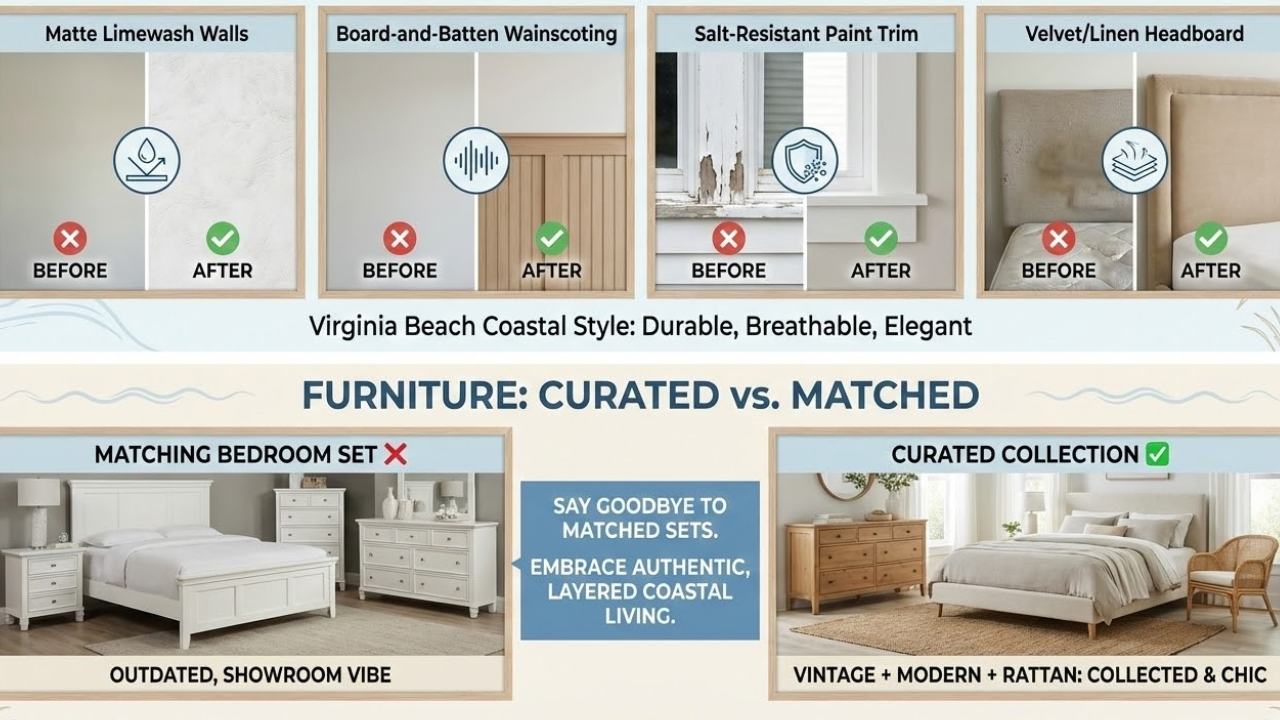
- Matte limewash: Breathable and moisture‑resistant.
- Board‑and‑batten or wainscoting: Adds texture and helps with acoustics.
- Salt‑resistant paints: Protect against corrosion in humid, coastal air.
- Velvet or linen textiles: Soft, durable, and humidity‑friendly.
Furniture & Decor: From Sets to “Collected” Spaces
- Goodbye matching bedroom sets.
- Hello curated style: Mix vintage dressers, natural wood pieces, and collected accents for a layered, personal look.
- This approach feels more authentic, avoids the “staged showroom” vibe, and works better in real homes.
Sound, Light, Storage, Air: The Four Pillars of a True Retreat
A beautifully designed bedroom also needs to function as a retreat:
- Sound control: Solid-core doors, soft furnishings, acoustic paint block noise from kids' rooms and ocean winds
- Light control: Dimmers, blackout shades, warm evening lighting support natural sleep cycles
- Storage: Hidden (not visible) keeps visual calm and mental stress low
- Air quality: Proper ventilation and dehumidification prevent mold and improve sleep comfort
Coastal humidity control is especially critical. Without it, your new flooring and finishes deteriorate faster, and your sleep suffers.
Ready for Your Own Before & After?
The best bedroom renovations start with a professional inspection—not with paint samples and furniture catalogs.
Here's Our 3-Step Process:
- In-home consultation: Walk-through, discussion of goals and budget, initial assessment
- Inspection & estimate: We identify moisture, code issues, and structural concerns—then provide a detailed, transparent estimate
- Construction: Clear schedule, weekly updates, professional workmanship, and punch list before final walkthrough
Why work with a local contractor? We know Virginia Beach permits (2–4 weeks), FEMA compliance (Sandbridge), coastal building codes, and which materials last in our climate. We've been doing this for 25+ years.
Final Thoughts
You deserve a master bedroom that feels like a retreat—not a chore. Whether you're ready for a quick refresh or planning a full primary suite, we at Mike Simon Construction guide you through the process without pressure or surprise costs.
Schedule your free in-home consultation today!
Frequently Asked Questions
What's the most popular bedroom renovation budget?
Mid-range ($14,000–$30,000) delivers the best ROI and noticeable comfort improvement. It's the "Goldilocks" option.
How long does a bedroom remodel take?
Cosmetic: 1–2 weeks. Mid-range: 3–5 weeks. Full suite: 6–10+ weeks (includes permit time). Budget 15–20% contingency for hidden issues.
Is it worth adding an en-suite bathroom?
Yes—if you have fewer than 2 bathrooms, live in a mid-upscale neighborhood, or plan to stay 7+ years. ROI: ~60% at resale. We help you calculate your specific payoff during consultation.
What's the biggest mistake homeowners make?
Skipping inspection. Hidden moisture damage can cost $15,000–$30,000 to remediate and destroy your newly renovated space. We always inspect first.